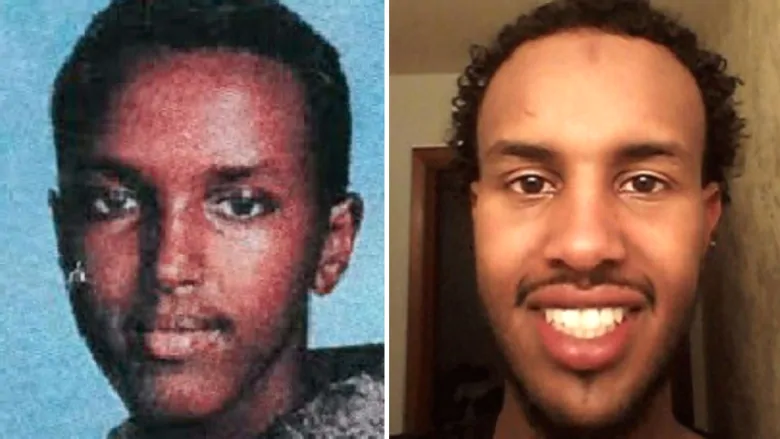
The case to extradite an Edmonton man accused of financing his ISIS cousins relies on hearsay and unreliable witnesses, the Court of Appeal of Alberta heard Wednesday.
Abdullahi Ahmed Abdullahi, 34, is fighting extradition to the United States to face charges of conspiring to provide and providing material support to ISIS recruits.
The record of the case, which summarizes the U.S government’s evidence, cites two witnesses: a cousin who was once a suspect as well as the widow of a deceased recruit who says her husband told her Abdullahi sent him $3,000 US via Western Union.
“We have here someone who has a motive to point the finger elsewhere,” defence lawyer Akram Attia argued Wednesday. “We have hearsay, double hearsay.”
A panel of three justices reserved their decision.
In May 2018, Court of Queen’s Bench Justice John Little granted the extradition order that Abdullahi is now appealing.
He is accused of robbing an Edmonton jewelry store to help fund a terrorist cell that includes his three cousins who left Edmonton for Syria in 2013. It’s believed they were killed there one year later.
Abdullahi allegedly wired money to the recruits and sent messages about the robbery and money transfers through draft emails in a shared account.
On Wednesday, Attia argued that the evidence was purposely vague and manifestly unreliable.
“We don’t get any of the draft e-mails. We don’t get any of the evidence which would have been very easy to produce about the Western Union money transfers,” said Attia.
Under the Extradition Act, the justice’s role is not to determine guilt or innocence but only whether the alleged conduct, had it occurred in Canada, would justify going to trial.
Attia acknowledged that the required threshold is low. However, he maintained that it had not been met and that Little erred in law.
“It makes it, in my opinion and submission, impossible to weigh that evidence, even though it is a very limited weighing,” he said.
Crown prosecutor Stacey Dej said the evidence against Abdullahi is not strictly dependent on the testimony of the two witnesses. She said U.S.authorities are not required to disclose all of the details of the case.
In March 2017, a grand jury in the Southern District of California indicted Abdullahi. He has been in custody since his arrest in Fort McMurray in September 2017.
Foreign fighters named in the U.S. indictment include Abdullahi’s three cousins — Mahad Hirsi and brothers Hamsa and Hersi Kariye.
Attia and Abdullahi’s family members, who were in court, declined comment. Abdullahi is also facing a charge of armed robbery in Canada.
Over the past decade, about 90 per cent of the people who were arrested for extradition in Canada were surrendered.