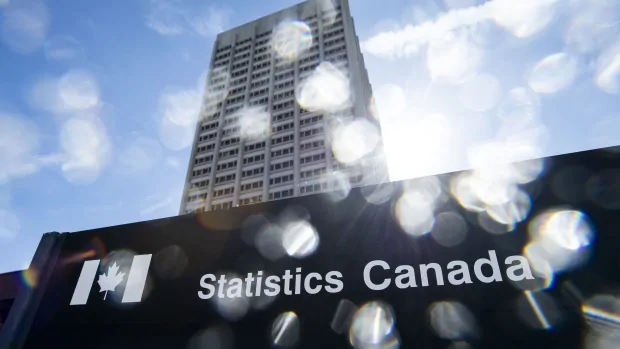
The annual pace of inflation edged higher in February as gains in most spending categories offset lower gasoline prices, Statistics Canada said Friday.
Statistics Canada reported the consumer price index in February climbed 1.5 per cent compared with a year ago. The move compared with a year-over-over increase of 1.4 per cent in January.
Helping push costs higher was a 8.1 per cent increase in mortgage interest costs and a 14.3 per cent rise compared with a year ago in the cost of fresh vegetables. The cost of passenger vehicle insurance premiums also rose 6.3 per cent.
The cost of gasoline was down 11.9 per cent compared with the same month last year as overall energy prices slipped 5.7 per cent.
However, Statistics Canada said tighter oil supplies and the temporary closure of several refineries for seasonal maintenance helped boost gasoline prices 1.9 per cent compared with January, the first month-over-month increase in gasoline since July 2018.
Excluding gasoline, the annual pace of inflation held steady at 2.1 per cent, the same as January.
The report also said the average of the Bank of Canada’s three core inflation readings, which omit more-volatile items such as gas, edged down to 1.8 per cent compared with a reading of 1.9 per cent in January.
Little need for a change in policy, economist says
James Marple, a senior economist at TD Economics said in a written statement that this slight increase “does little to change the broader picture of price growth that is neither too hot, nor too cold.”
He said core inflation has been modestly below two per cent since August last year.
“Its relative stability suggests little need for a change in policy in either direction,” Marple said. “If anything, the slight move down in the CPI-common measure reinforces the view that the Bank of Canada is likely to remain on hold, perhaps indefinitely.”
The central bank, which aims to keep inflation between one and three per cent, sets its benchmark interest rate target as a way to manage the pace of inflation. The Bank of Canada held its key rate target at 1.75 per cent at its rate announcement earlier this month, when it also raised concerns about the strength of economic growth to start the year.
In a separate report, Statistics Canada said Friday that retail sales fell 0.3 per cent to $50.1 billion in January, the third consecutive move lower as falling sales at motor vehicle and parts dealers weighed on the results.
Analysts had estimated a month-over-month increase of 0.4 per cent, according to Thomson Reuters Eikon.
Sales at motor vehicle and parts dealers fell 1.5 per cent in January due to a 2.4 per cent drop in sales at new car dealers and a 2.7 per cent drop at used car dealers. Excluding that sub-sector, retail sales increased 0.1 per cent.
Retail sales in volume terms were essentially unchanged in January.