An expert panel says the “one size fits all” approach to environmental assessments and limiting the number of people who can talk at hearings into big projects isn’t working.
The new report by the expert panel reviewing federal environmental assessment processes recommends that time limits to assess major projects should reflect the specific circumstances of each project instead being forced to meet a set time frame.
The four-person panel was set up by Environment Minister Catherine McKenna last August. Its mandate was to look at why environmental assessments in Canada are not working and to suggest changes.
The chair of the panel, Johanne Gélinas, said the panel found few people are stridently against the development of projects, but they want more respect and involvement.
“No one is against economic development, they just want to see things done differently,” Gélinas told the International Association of Impact Assessment conference in Montreal on Wednesday.
“They are looking for consideration, they want to be respected, they want to have time to do things properly.”
The current law, passed by the former Conservative government in 2012, requires environmental assessments of everything from public highways to pipelines that occur on federal lands to be completed within one or two years, depending on the project’s size and complexity.
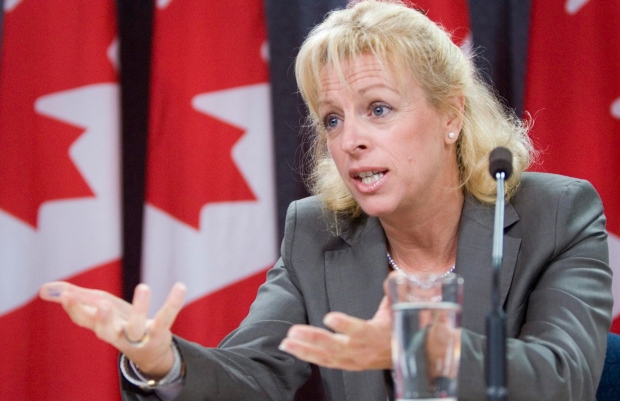
Johanne Gélinas, Canada’s environment commissioner from 2000 to 2007, chaired the federal government’s expert panel reviewing the environmental assessment process. (Jonathan Hayward/Canadian Press)
The panel said those time frames are actually slowing things down and have “not met the objective of delivering cost and time certainty to proponents.”
That’s partly because the law allows for time outs and time extensions.
In a submission to the panel, energy company Enbridge said this was a ongoing problem.
“In our experience, overall timelines, from the date the application is filed to the date of [cabinet] approval, have actually increased since 2012.”
Instead, the panel suggests an impact assessment authority estimate the cost and timeline for each phase of each major project and then keep track of how it’s proceeding.
Earlier Indigenous involvement
The panel travelled to 21 cities and received 800 submissions, 300 of them produced by Indigenous people. The panel said that studying projects in Canada must include Indigenous communities or the process will be doomed to failure.
Indigenous people told the panel over and over again they are often presented with details of a project after the fact and are expected to react quickly.

Among its recommendations, the panel is calling for greater public participation in assessments of major projects and for Indigenous people to be involved in projects from an early stage. (THE CANADIAN PRESS)
“They receive boxes … of binders to do a review or environmental assessment and they are told they have 30 days to go through the material and respond back with comments. Good luck,” said Gelinas.
“It was clear in the mandate given to us that we had to come back with something that was different.”
The panel recommends Indigenous communities be involved right from the start and be included in the initial planning for big projects like pipelines, before the design and funding is set in stone.
Expanded public hearings
The report also says members of the public should by law be allowed to participate in hearings because the current law has led to frustration and disillusionment and lack of social licence for major projects.
For example, it points to the National Energy Board hearings into the Trans Mountain Expansion project by Kinder Morgan to twin its existing oil pipeline to bring Alberta oil to Burnaby, B.C.
The NEB received 2,118 applications from the public to participate. Four hundred people were granted intervenor status, the rest were told they could send a letter or were denied any standing at all.
The report says the law must change to “provide early and ongoing public participation opportunities that are open to all.”

The panel’s report notes the NEB received 2,118 applications from the public to participate in hearings into Kinder Morgan’s Trans Mountain pipeline project, but only 400 were granted status. Prime Minister Justin Trudeau and his cabinet eventually announced approval of the project last November. (Sean Kilpatrick/Canadian Press)
It also wades into the thorny issue of what projects should be assessed in the first place. The 2012 law narrowed the criteria for projects that could be studied to judge their affects on the environment. The panel said the list should be widened to include anything that affects federal land and therefore national interests.
“The current approach under CEAA 2012 applies to dozens of projects annually compared to the former legislation that applied to thousands of projects annually. The panel expects that they new approach will apply to hundreds of projects annually.”
The expert panel makes a long list of recommendations to the environment minister in its 120-page report, but this is only part of the discussion.
It will be included in a review of how the Departments of Environment, Transportation, Fisheries and the National Energy Board assess the impacts of projects under their jurisdiction.
The end result will be new environmental assessment legislation sometime in early 2018.