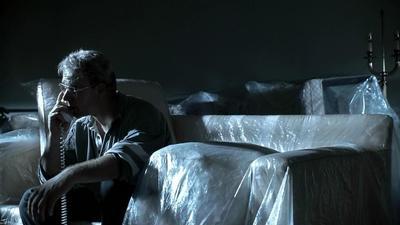

When Marie Brenner published her article “The Man Who Knew Too Much”, in Vanity Fair in 1996, she had the American public’s full attention. Here was an insight into the mind of Jeffrey Wigand, the man whose life had become public property over the course of a few years. Why? Because he had done the unthinkable; he’d blown the whistle on big tobacco. CBS had come under fire for trying to air an interview with Wigand shot for the news program “60 Minutes” in which he revealed that Thomas Sandefur, the head of Brown & Williamson, one of the seven largest tobacco companies in the country, had lied under oath when he swore that nicotine was not addictive. B&W had fought back, trying to bring both Wigand and the network down and it almost worked. Reading Brenner’s article, you certainly get a sense of the tremendous weight on Wigand’s shoulders and the struggles of a few people to see that he was not buried by the scandal that B&W orchestrated. It seemed inevitable that someone would try to dramatize it. What was missing was the sense that anyone involved was particularly heroic, something writer Eric Roth and writer/director