Child protective services is not regarded as a resource, but as a source of fear.
That’s one of the findings of Newfoundland and Labrador’s child and youth advocate following a review of child protection services for Inuit children in Newfoundland and Labrador.
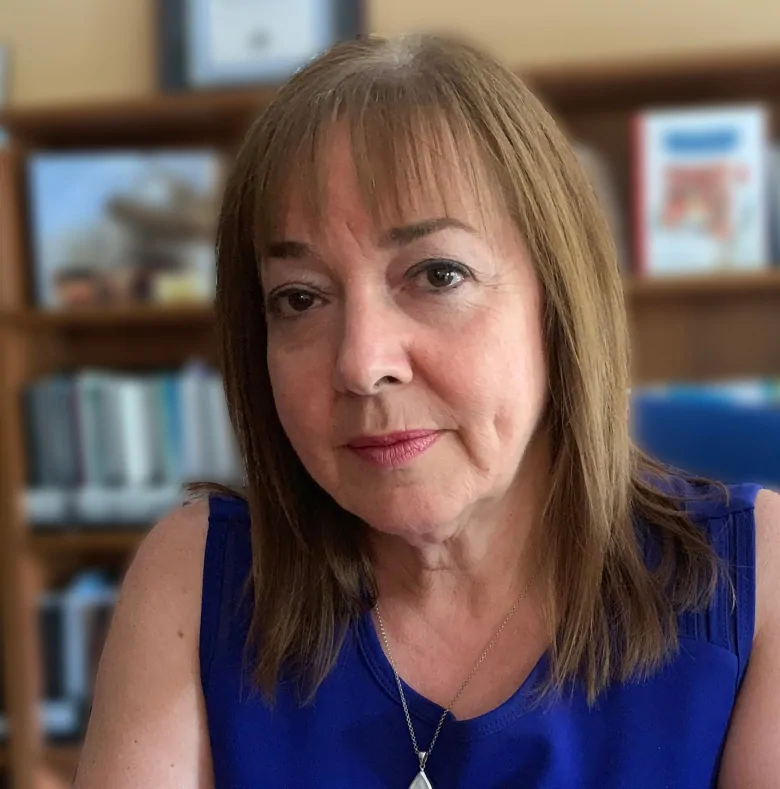
The report, called A Long Wait for Change, was released Wednesday morning in Nain by Jackie Lake Kavanagh, the province’s child and youth advocate, following extensive CBC reporting on issues with protective care in Newfoundland and Labrador.
It contains 33 recommendations aimed at addressing the problem, including providing the support needed to transition to an Inuit-led child welfare system, and taking the steps necessary to ensure children retain their Inuit culture, language and values.
“We heard again and again that people perceive more resources going into sending children away from their communities than in keeping them close to home or with circles of people that know and care about them,” she wrote.
“There is an undeniable and pervasive sense of fear and mistrust of child protection authorities.”
The review calls for “bold, systemic change” so “young people are heard, relationships are reset, power is shared, communities are engaged, resources are enhanced, and Inuit knowledge and beliefs are validated and incorporated into new ways of keeping children safe and supported.”
The independent review was done at the request of the Nunatsiavut government, and found that Inuit children are struggling in the child protection system.
When the review began last year, there were 1,005 children in care in Newfoundland and Labrador, and 345 of them were Indigenous children. And of those, 150 were Inuit.
And many of those children are sent to non-Indigenous rural communities in Newfoundland like Roddickton and Englee.
Young people in care told us they miss home terribly, and fear losing their cultural connections and sense of Inuit identity.– Jackie Lake Kavanagh
Kavanagh said the current approach is not working because it’s “reactive and crisis-oriented,” and does not incorporate Inuit knowledge.
“Young people in care told us they miss home terribly, and fear losing their cultural connections and sense of Inuit identity.”
She suggested more children are being sent away from their communities than is necessary.
“We heard that there is more capacity in their communities than is currently being used, and that more children should be able to stay in their homes with appropriate family support, or at least in their communities or territory.”
The recommendations, meanwhile, are sweeping, and would require action from the departments of Children, Seniors and Social Development, and Justice and Public Safety.
Kavanagh, for example, is calling on CSSD to complete an audit of all incidents where children were sent away from their home community, and ensure every option for keeping the child in Nunatsiavut territory was exhausted.
The advocate also wants the department to focus more on prevention and early intervention, and explore a new model for foster care that could include placing parents and children together.
The report also recommends a review of the financial supports for Inuit children, families and caregivers to ensure they reflects the “northern Labrador reality.”
“This must include addressing prices of goods and services, as well as transportation and delivery costs,” the report states.
Kavanagh acknowledged there are many dedicated people who go to work in the child protection system every day.
“[But] their hard work is not providing the needed results for these young people [because] it involves problems with the system of child protection services.”
For social workers, the advocate wants mandatory Indigenous cultural education training, improved access to clinical supervision and mentoring, and a commitment to ensure CSSD offices are appropriately staffed and equipped.
The report also calls for more incentives to improve recruitment and retention for social work positions in Nunatsiavut.
From a broader perspective, the report recommends that the provincial government work with Inuit leaders to improve housing, food insecurity and provide safe shelters for Inuit children and their families.
Hope remains: Kavanagh
Despite her grim assessment, Kavanagh said all hope is not lost.
“Many Inuit still believe that change is possible and that things can look and work differently if Inuit values, beliefs, and knowledge inform a new way of keeping children safe. There is an opportunity to make this shift now,” she wrote in her report.
The report does not directly recommend that Nunatsiavut establish its own child protection system, but Kavanagh strongly hints at such a system.
“This is a decision for Nunatsiavut to make on its own terms, timing, and readiness. However, there is widespread support that services and solutions for Indigenous children must be led by Indigenous governments, organizations and people.”
The final recommendation is that the province continually monitor the child welfare system, and present a report annually to the House of Assembly.
Minister says plan in the works
Meanwhile, the minister responsible for child protection services, Lisa Dempster, was also in Nain on Wednesday. She said her department’s commitment to children and families is unwavering.
“We share the goal of improving the experience and outcomes of Inuit children, youth and families,” she said.
Dempster said her department will analyze the recommendations and develop a plan, noting the new Children, Youth and Families Act, which came into effect in June, contains provisions that directly address many of the report’s recommendations.
She said a renewed partnership between her department and the Nunatsiavut government is already showing results, with a full complement of social workers now on staff in Inuit communities.
“Our goal is to support families so they can ensure the safety and well-being of their children, so they can grow up in their communities, closer to their families and culture, and achieve their full potential,” she said.