An outstanding warrant for stealing tampons stopped an Edmonton mother threatened by her partner from calling 911 last weekend.
Mark Cherrington with the Coalition of Justice and Human Rights helped the young woman and her toddlers instead.
He said cases like this one show why the Police Act needs to give officers more discretion around executing warrants when safety is paramount.
Currently, police who don’t execute warrants could be charged under the legislation with neglect of duty.
“I’ve dealt with young adults who had significant medical issues, including trauma wounds, who refuse to call 911 and would rather, basically bleed to death because they have a warrant,” said Cherrington.
“We have one of the best trained and most highly professional police forces in the world. Police should have the power to exercise that discretion.”
Alberta Justice launched a review of the 31-year-old Police Act last September.
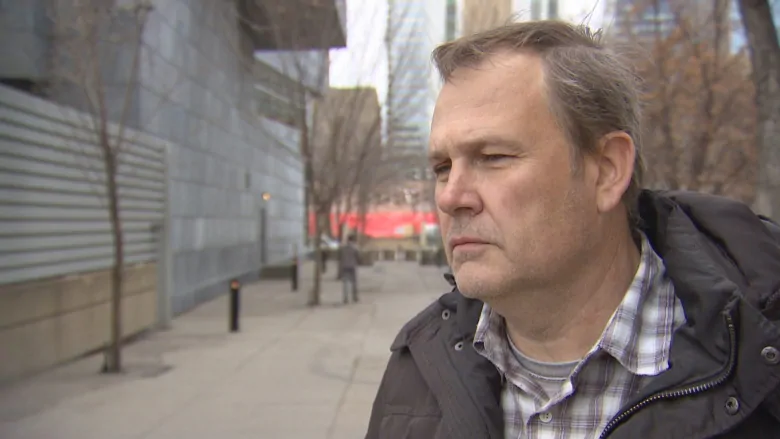
Mark Cherrington says warrants should be executed at a police officer’s discretion. (CBC)
“We began a thorough engagement process last fall, after hearing from police services, commissions, and municipal stakeholders that a review of the Police Act would help modernize policing in Alberta.”
More than 250 stakeholders are participating including groups representing Indigenous and rural Albertans, victims of crime, health, social services and law enforcement.
They’re tackling a range of topics through surveys and a series of roundtables, the most recent which took place Monday.
The role of community organizations in crime prevention, funding for police services and processes for handling complaints from the public are all up for discussion.
Time limits on Police Act investigations
Police Association president Sgt. Mike Elliot said updated legislation needs to expedite the investigation of officers under the Police Act.
He wants to see time limits such as those imposed by the Supreme Court in the so-called Jordan decision in 2016 to ensure the criminally accused are tried within a reasonable time frame. Elliot said investigations under the Police Act have no time limit and can drag on for years.

Sgt. Michael Elliott wants to see changes around investigations of the Police Act. (Twitter)
Elliot also called for new rules around the selection of the presiding officer at a disciplinary hearing. That person is currently chosen by the police chief. Elliot said the selection should be made from an independent pool instead.
“I think it would be very concerning that your best friend, or somebody that you go to lunch with is going to hear out the facts and they’ve got to make a decision upon you,” said Elliot.
“That creates bias or perception of bias not only amongst police officers, but amongst the public as well who attend these open hearings.”
It’s not clear what would become of the review if the provincial government changes this spring.
“These engagement sessions are continuing this month, and if re-elected, Rachel Notley’s government would continue this important work to modernize policing in Alberta,” said Klingbeil.