So you want to keep that poinsettia alive and blooming for next year’s holiday season?
It’s an uphill battle, but it can be done.
“With the right care, poinsettias can stay alive for many years. The trick is to get them to bloom again,” said Anita McDonald, partner at Kuhlmann’s Greenhouse in Edmonton.
The key bloom period for poinsettia starts in late September and peaks in January.
McDonald explains the red parts of the plant that look like flower petals are in fact a variation of leaf called bracts, and the yellow bits in the middle are flowering buds. Keeping your poinsettia alive requires the acceptance that the bracts won’t last all year.
“The bracts that you have on your plant right now should last another month or two,” says McDonald. “Then you probably want to look at pruning your plant.”
McDonald suggests cutting the stems back in March to about a third of the length.
“This will start to create lots of new growth through when our days get longer,” she said, adding that water about once a week is all the plant needs during the winter months.
Darkness is the key
There’s one counterintuitive step is that most people miss when trying to encourage their poinsettias to bloom again — keeping the plant in the dark.
“They need at least 12 hours of darkness a day,” she said. “They say even a streetlight outside your window can be too much light.”
Jim Hole owns of Hole’s Greenhouse and Gardens in St Albert, which produces about 50,000 poinsettias each year. He said growers need to make sure that poinsettias are getting more darkness than daylight during the bloom cycle.
They need 12 hours of darkness a day.– Anita McDonald, partner at Kuhlmann’s Greenhouse
“You can put them in the closet at night to ensure you have uninterrupted darkness, but then it’s critical to get them out into the light so they can keep producing growth and they can absorb sunlight and grow properly,” he said.
Gardening experts suggest leaving poinsettias in a closet between 8 p.m. and 8 a.m. from late September to early December.
Locally grown
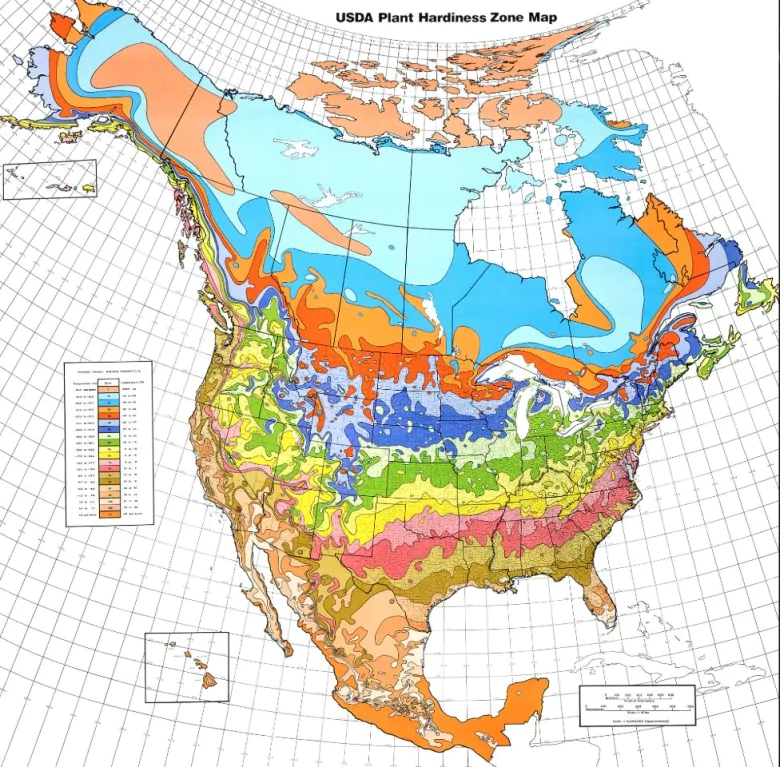
Poinsettia, which have the Latin name Euphorbia Pulcherrima, are native to Mexico and parts of Central America, growing best in United States Department of Agriculture (USDA) zones 8 – 11. That means to survive naturally outside, a plant cannot withstand temperatures below -9 C.
Edmonton falls in USDA agricultural zone 2 – 3, which means plants must be able to withstand temperatures down to -40 C.
Mexico and Alberta are in disparate plant hardiness zones, making poinsettia care difficult in Alberta. (United States Department of Agriculture)
In the home, both McDonald and Hole recommend keeping the plant away from hot and cold drafts.
“Poinsettias like it fairly warm and like humidity,” said McDonald. “Keep them away from heat registers that may be blowing dry air.”
As for water, McDonald says it’s important to keep the soil moist but not saturated.
If you have to move the plant to another building, wrap it up from the cold in a layer of paper then plastic.
Dangerous for pets?
While poinsettias are cited as a plant that is dangerous to pets, Sherwood Park veterinarian Dr. Louis Kwantes said poinsettia poisoning is not a major concern at this time of year.
“They do cause irritation, you may see some hyper-salvation or maybe even a little bit of vomiting or some gastrointestinal upset,” said Kwantes.
At this time of year, Kwantes says mistletoe and daylilies are more toxic to pets than poinsettias.
“Obviously, keep your pets away from [poinsettias] but by and large if they do get into it, unless there’s an underlying disease or problem going on, there shouldn’t be a big issue,” he said.