Edmonton hospital emergency rooms are prepared are prepared to handle a possible spike in respiratory problems tied to the smoky haze blanketing the city and the province.
“[A spike] wouldn’t be unexpected. That may occur,” Dr. Chris Sikora, Edmonton zone medical officer of health with Alberta Health Services, said Wednesday. “We’re well prepared to be able to manage that.”
TheAir Quality Health Index had Edmonton at 10, which is high risk, as of 2 p.m. Wednesday. The index was expected to reach 10+, very high risk, later in the day.
The reduced air quality is the result of smoke drifting east from more than 600 wildfires burning in British Columbia.
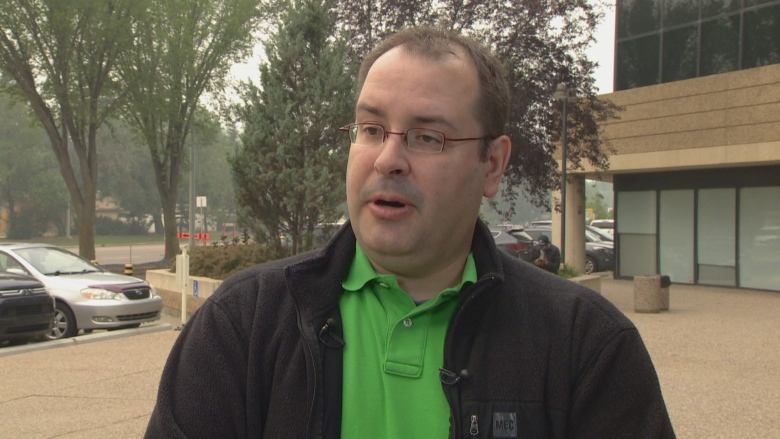
People should stay indoors and avoid strenuous outdoor activities, said Dr. Chris Sikora, a medical officer of health with Alberta Health Services. (CBC)
The smoke may exacerbate underlying health concerns, Sikora said. People with asthma may see the condition worsen, and those with heart issues are at an increased risk.
People with pre-existing health conditions should stay indoors and seek medical advice through the provincial help line, Health Link, should their conditions or symptoms worsen, he said.
Even healthy people could be affected by the smoke and experience a sore or irritated throat, sore eyes, increased coughing, headaches or shortness of breath.
“Try to avoid breathing in a lot of that material by avoiding that strenuous activity that really works the lungs and the heart more than when at rest,” Sikora said.
It “won’t do a lot” to wear a mask or cover your mouth with cloth, he said.
“A lot of the masks don’t provide a secure-enough seal to help significantly,” Sikora said. “It’s reduction of the activity, monitor your health symptoms if you’re in that high risk category, and really take it easy and avoid that strenuous outdoor activity.”

Edmonton and the rest of Alberta is blanketed in smoke coming from hundreds of wildfires burning in B.C. (Terry Reith/CBC)