Chris Wylie, the whistleblower at the heart of the Cambridge Analytica data-mining scandal, will appear before the Parliamentary privacy committee, says committee chair Bob Zimmer.
A date has yet to be set for Wylie to appear, but Zimmer said they have confirmed he will attend.
“We are working on a date that he is able to attend in person,” Zimmer said in an email.
In March, the committee unanimously agreed to invite Wylie to testify. Wylie, who has appeared before a parliamentary committee in the U.K. to talk about the relationship between his former employer — Cambridge Analytica — Facebook and political data-mining, has said he would testify in Canada if asked.
Wylie co-founded Cambridge Analytica before leaving the political consulting company in 2014. He is at the centre of allegations that the U.K. company improperly accessed data from over 50 million Facebook users to identify voters who might be sympathetic to U.S. President Donald Trump’s message and target them with social media messages.
Facebook has estimated that data belonging to 87 million users — including over 600,000 in Canada — may have been improperly shared with Cambridge Analytica.
The Standing Committee on Access to Information, Privacy and Ethics is investigating how the Facebook breach could have affected Canadians.
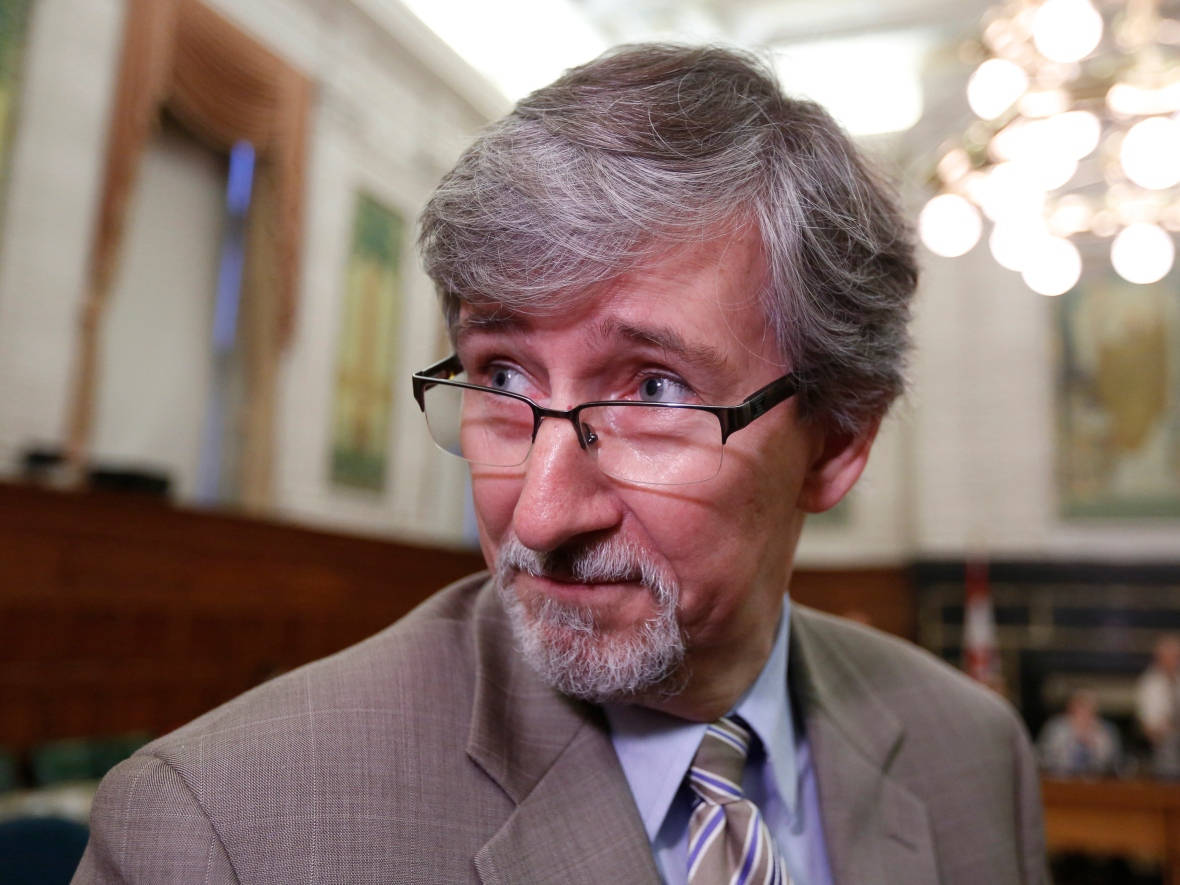
Daniel Therrien, Canada’s privacy commissioner, told the committee that stronger regulations on how political parties use personal information need to be put in place. (Chris Wattie/Reuters)
Speaking in front of the committee today, federal Privacy Commissioner Daniel Therrien said he hasn’t seen evidence to suggest that the Facebook data breach could have affected elections in Canada — but it’s conceivable.
“To the theoretical question, the answer is yes, it could influence an election, but we don’t know whether it was used to that effect,” he said.
Addressing the committee, Therrien renewed his calls for tougher privacy regulations for organizations — specifically political parties.
Information Commissioner Daniel Therrien explains why Canada needs his office 0:43
Parties are left to regulate themselves on how they collect, use and share personal information, he told the committee.
“No federal privacy law applies to political parties. British Columbia is the only province to cover them,” Therrien said in French.
He called for new privacy and election laws to allow for independent and proactive investigations into how parties use the voter data that they gather.
Most political parties have “an internal code of conduct” geared toward how parties interact with voters and their personal information, Therrien said.
But he argued that there is no independent entity to determine if they live up to those codes.
“The time of self-regulation is over,” he said.
Therrien made the case that either his office or the office of the chief electoral officer of Elections Canada should be allowed to establish that political parties are collecting personal data with the informed consent of voters.
Information Commissioner Daniel Therrien warns the government about the risks of not modernizing our current privacy laws 1:10
“Ideally, I would say the two institutions would be able to verify what is happening,” Therrien told the committee.
Therrien’s office is also investigating Facebook in the wake of the data-mining controversy, but he said he hasn’t been able to verify the extent to which the data breach has hit Canadians.
“We are relying on Facebook for information on the profiles breached, but they don’t know entirely themselves,” Therrien said.
Information Commissioner Daniel Therrien explains how his office could work with the Chief Electoral Officer 0:53